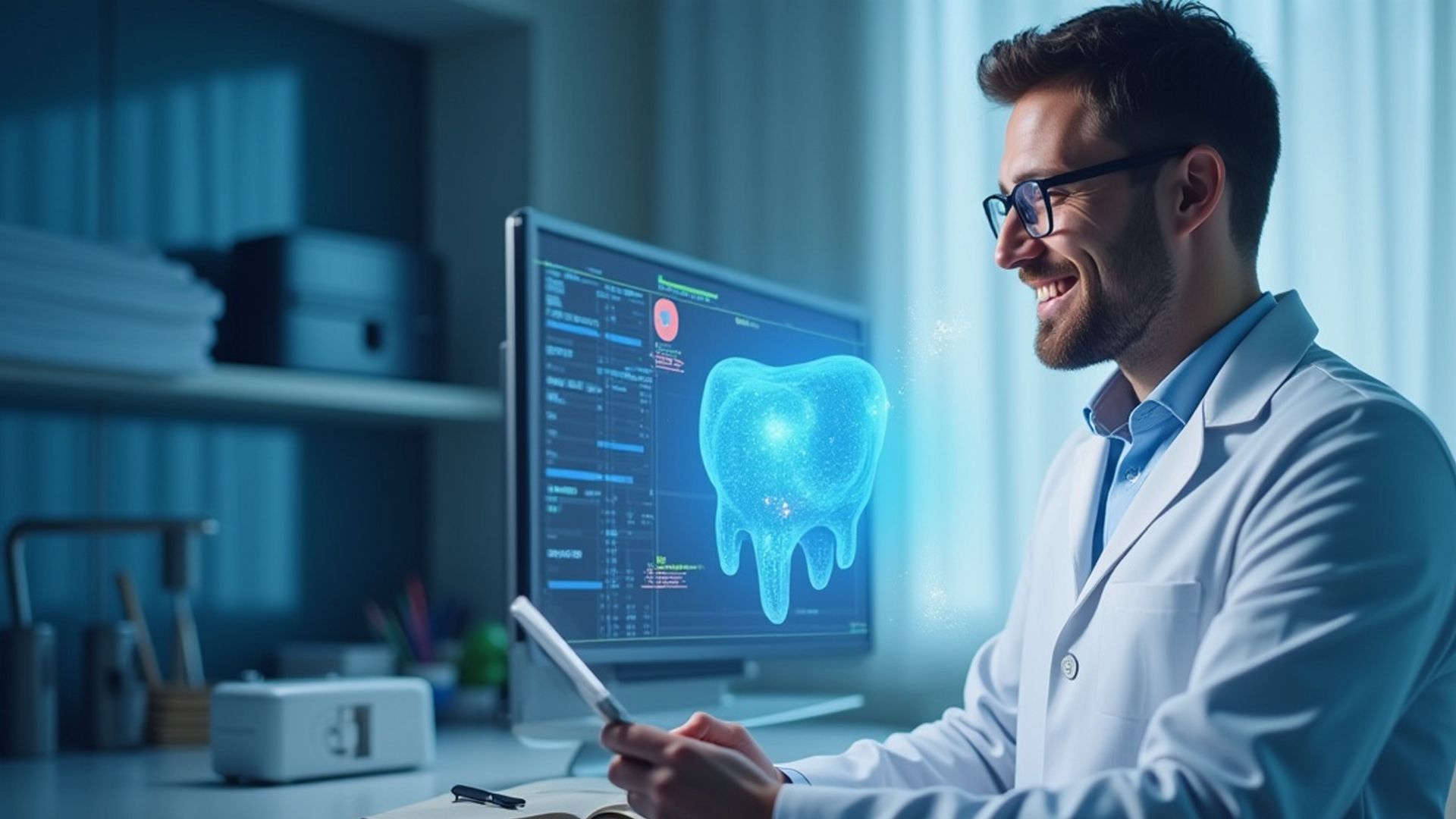
As we move into the new year, artificial intelligence (AI) is rapidly reshaping dental practice marketing in 2026 in terms of how it attracts, engages, and retains patients. From personalised appointment reminders to virtual reception assistants, AI-powered tools are transforming what it means to market a modern dental clinic. For dentists and practice managers, understanding and applying these changes is no longer a nice option but a necessity.
For service-based businesses, small brands, and those invested in understanding the constantly changing landscape, it is not a nice-to-have option but a must-have one to remain competitive and create measurably positive results.
In this article, we explore the key ways AI-driven personalisation and automation are set to change dental marketing in the new year, with practical examples relevant to practices in the UK and beyond.
1. AI Personalisation: From Reactive to Predictive Experiences
What’s Changing?
Traditional personalisation will continue to shift from using a name in an email or segmenting lists by broad traits to real-time predictive personalisation. This new wave of AI doesn’t just react to behaviour, but will anticipate it, automatically adjusting experiences dynamically across every device and channel.
Why does this matter?
Increased customer satisfaction: When there is a reflection of the customer’s individual context in the content and offers, customers can be expected to stay more engaged.
Stronger engagement and conversion: Personalized experiences that get ahead of the user’s needs tend to convert at a much stronger rate.
Dynamic content delivery: With this, websites, emails, and ads can change by themselves according to the immediate user signals without being changed manually.
Example in Practice
If a patient previously searched for orthodontic treatments on your website or expressed an interest in Invisalign, AI can send out a retargeted email or SMS message with pointed content and a treatment solution to be treated. The customer even feels that the marketing is personalized and helpful.
2. Automation: Streamlining Practice Operations
What Automation Can Do
AI can automate repetitive and highly important tasks that would otherwise consume personnel resources, for instance, booking confirmation, notification messages, and qualification messages, so that your personnel can focus on treating patients.
Advantages to Dental Teams
24/7 patient care: Your online and social media accounts can feature AI-powered bots that respond to inquiries and allow appointment scheduling and the submission of contact information.
Appointment automations: The appointments can be handled automatically regarding bookings, cancellations, and reminders.
Follow-up workflows: The patient will automatically get the post-treatment care and reminders for the follow-ups or ongoing care.
Example in Practice
A chatbot system linked with your booking system can handle FAQs and booking appointments at any time, including when your clinic is closed, and sync the bookings with your calendar automatically. This minimizes no-show appointments and extra administrative work.
There has been a significant improvement in the efficiency of appointment scheduling and patient engagement with the use of AI-based appointment bots.
3. Artificial Intelligence-Powered Patient Acquisition & Local Targeting
AI tools can analyse patterns in how patients search for dental services, enabling smarter targeting in ads and organic searches. For local dentists, this means reaching the right people at the right time, especially those searching for treatments near them.
Examples of AI in Practice
Local SEO Optimisation: “Emergency dentist near me” results see improvement in local search rankings due to AI, bringing your practice local visibility when people are looking for patients in your area.
Predictive targeted ads: The system would rather place targeted advertisements on users most likely to book, rather than running general ads.
Predicting treatment trend: AI technology will predict an increasein interest, including spikes such as cosmetic procedures before the wedding season, and will help your practice plan relevant campaigns. Such an enlightened level of awareness helps practices allocate marketing funds and reach the patients who seek medical care.
4. Conversational AI: Better Engagement Across Channels
Real-Time Interaction That Feels Personal
AI-powered chatbots and messaging tools are no longer limited to preset scripts. Today, the solution utilizes conversational technology that talks to patients in an engaging way, offering instant answers to questions concerning treatments, costs, or their availability.
Benefits for Patient Experience
Instant answers: Visitors can get immediate responses to questions about root canal costs or opening hours, even at midnight.
Multi-channel reach: Chatbots can operate on your website, WhatsApp, Facebook Messenger, and SMS — wherever patients prefer to communicate.
Feedback and insight: Automating follow-ups via conversational AI can help gather patient feedback and surface opportunities for service improvement, which helps ensure a smooth flow of patients, fosters trust, and can eventually translate into more confirmed bookings.
Predictive ad targeting: While general advertising correlates with few bookings, AI allows targeted ads towards those who are more likely to book, using data signals and behavior.
Predicting treatment trends: AI technology can predict a surge in interest in treatments such as cosmetics before the wedding season, so your practice can design targeted campaigns in anticipation.
This level of insight helps practices spend marketing budgets more effectively and reach patients actively seeking care.
5. Practical Steps for Dental Practices in 2026
A. Start with First-Party Data
Your own patient data – appointment history, enquiries, behaviour – is the richest source for personalisation. Centralising and analysing this data gives AI the context it needs to deliver relevant patient experiences.
B. Automate Smartly, Not Too Soon
Start with high-impact areas such as appointment reminders and chatbot support, then expand to more advanced personalisation and analytics as you see results.
C. Combine Technology and Human Care
Patients still want human contact; AI can’t replace the human side of it. Do the routine using automation so that your team can have more time for meaningful relationships with the patient.
Conclusion
Artificial intelligence-powered personalisation and automation are revolutionising how dental clinics attract, engage and retain patients. When it comes to dental practice marketing in 2026, these technologies will be essential for delivering efficient, patient-centred strategies that produce real results from increased appointment bookings to stronger patient loyalty.
The important thing for progressive dental practices is to begin integrating these technologies now, and to do so before your competitors, ensuring you lead rather than follow in the year ahead.
Ready to transform your dental practice marketing in 2026?
Let us help you create an AI-driven marketing plan that boosts patient engagement and practice growth. Book your free consultation today. Contact me